
Applications / Vacuum Pick-and-Place
Solenoid Valves and Vacuum Control for Pick-and-Place Equipment
Automated pick-and-place equipment uses vacuum handling to grip, move, and release workpieces. Depending on the system design, solenoid valves may control the compressed-air supply to a vacuum generator, switch a vacuum circuit, or operate pneumatic functions in the handling sequence.
EVERSIGO offers industrial solenoid valves, pneumatic and vacuum control components, and valve arrangements for specific automation applications. Product suitability depends on the vacuum generation method, control functions, operating conditions, and equipment interfaces.
Whether you are developing a new handling system or sourcing components for existing equipment, provide the application details and available system information to discuss suitable configurations.
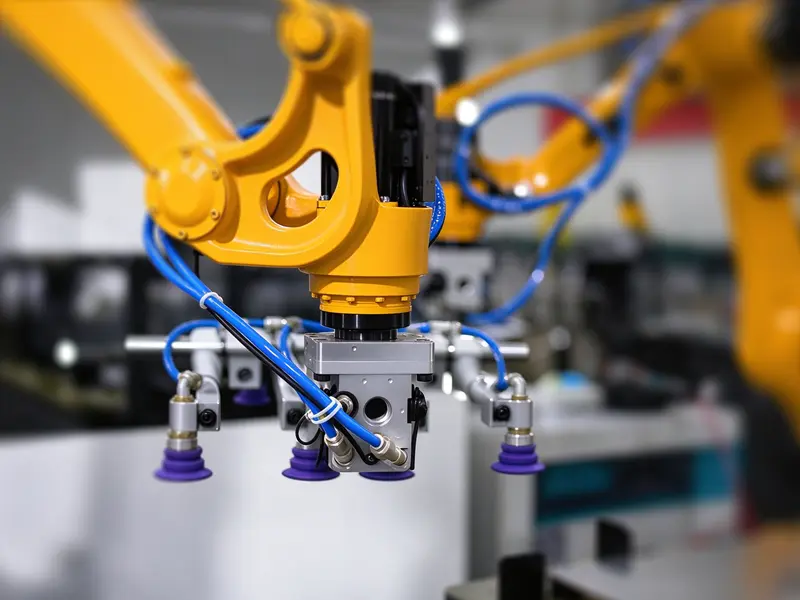
Application Areas
Solenoid Valve Applications in Automated Vacuum Handling
Vacuum handling systems differ in how vacuum is generated, routed, and released. Suitable solenoid valves may control a compressed-air supply, a compatible vacuum path, or an associated pneumatic function. The examples below describe specific use cases rather than a universal component arrangement.
Automated Pick-and-Place Systems
Pick-and-place equipment may use vacuum grippers to move components between defined positions. Where compressed-air vacuum generators are used, a suitable solenoid valve may control the generator's air supply. Other designs may require a valve suitable for direct vacuum switching or a separate release function. The appropriate arrangement depends on the vacuum source, gripper, workpiece, and handling sequence.
Robotic Handling and End-of-Arm Tooling
Robotic grippers may combine vacuum cups, tubing, and control components within limited installation space. Solenoid valves may control compatible pneumatic supplies or vacuum functions, depending on the system architecture. Mounting space, connection layout, service access, and the required control sequence help determine whether individual valves or a compact assembly is appropriate.
Automated Part Transfer Between Stations
Transfer equipment may use vacuum to pick up and place workpieces between conveyors, fixtures, or process stations. The control arrangement may include a valve for the vacuum generator supply, a suitable vacuum switching valve, or a release function. Selection should reflect how vacuum is generated and distributed, plus the workpiece and handling requirements.
Compact Vacuum Control Arrangements
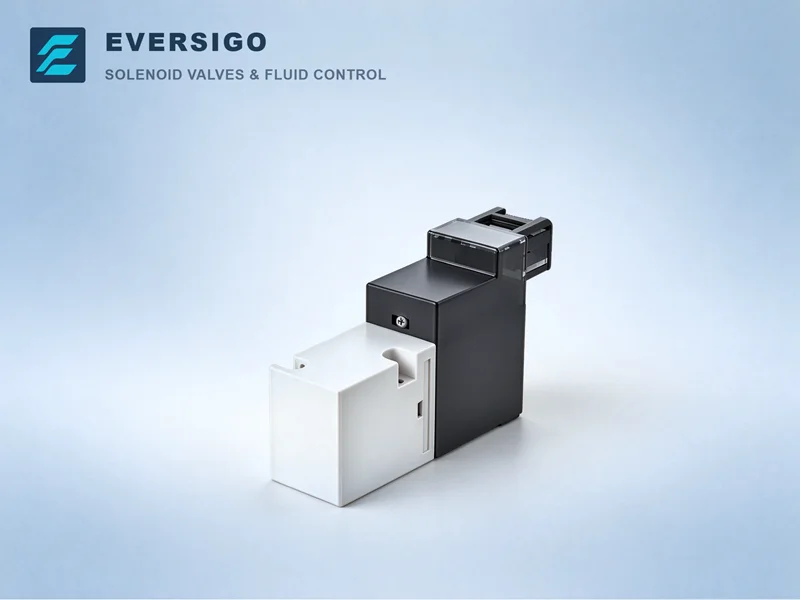
When several control functions must fit near a gripper or within a machine, a suitable valve arrangement or compact vacuum control assembly may be considered. The required components and interfaces depend on the vacuum source, pneumatic circuit, mounting constraints, connection layout, and suitable product configurations.
Vacuum Control Requirements
From Vacuum Grip to Workpiece Release
A typical handling sequence establishes a grip, maintains it during transfer, and releases the workpiece at the destination. Solenoid valves can form part of that arrangement, but the correct component depends on whether it controls a vacuum generator's compressed-air supply, switches a vacuum circuit directly, or operates a release function.
Vacuum Generator Supply Control
COMPRESSED AIRIn systems that generate vacuum from compressed air, a suitable solenoid valve may switch the air supply to the vacuum generator. The valve is controlling the generator supply, not necessarily switching the vacuum line directly. Selection depends on the required air flow, supply pressure, electrical specification, connections, duty requirements, and generator arrangement.
Direct Vacuum Circuit Switching
VACUUM SERVICESome systems use a valve to connect or isolate a gripping circuit from a vacuum source. A valve intended for compressed-air service should not automatically be assumed suitable for direct vacuum service. Confirm the required vacuum conditions, port arrangement, leakage expectations, materials, and documented product suitability.
Workpiece Release and Blow-Off
RELEASE FUNCTIONRelease may involve switching off the vacuum source, allowing the circuit to return toward atmospheric pressure, or applying a separate compressed-air blow-off function. These approaches are not interchangeable in every system. The suitable valve or release component depends on the circuit design, workpiece, gripping interface, and required sequence.
Control Sequence and Release Response
SYSTEM BEHAVIORGrip, transfer, and release form part of the complete machine sequence. Release behavior may be affected by the vacuum source, tubing, circuit volume, gripper, workpiece, valve location, and control logic. A valve change alone should not be assumed to achieve a particular release time; any target needs to be assessed against the actual system and documented capabilities.
Compact Assemblies and Interfaces
INTEGRATIONWhere multiple functions need to be grouped together, a suitable valve arrangement or vacuum control assembly may be considered. Feasibility depends on the required functions, component compatibility, installation space, connections, electrical interfaces, and suitable product configurations. Final configuration must be reviewed for the specific equipment.
If release time or repeated-cycle behavior is important to the application, include the target and available system details in your inquiry. Performance should be evaluated against the complete circuit and documented product capabilities, rather than assumed from a valve description alone.
Discuss Your Vacuum Control RequirementsPrepare an Inquiry
What to Provide About Your Pick-and-Place System
You do not need a completed circuit design to start an inquiry. Explain the handling task, vacuum source, required functions, and the information already available. Drawings or existing component references can help clarify the arrangement.
Equipment and Workpiece
Describe the machine or robot, the workpiece, and the gripping method. Explain whether the system picks, transfers, positions, or releases parts, and whether the control components are mounted near the gripper or elsewhere in the equipment.
Vacuum Source and Required Functions
Indicate whether the system uses a compressed-air vacuum generator or another vacuum source. Identify the required function, such as generator supply control, direct vacuum switching, release, blow-off, or a combination of functions.
Existing Components or Drawings
If available, provide existing valve model numbers, product photos, datasheets, pneumatic or vacuum schematics, equipment drawings, or a simple sketch of the circuit. These details can help clarify the current arrangement and interfaces.
Operating Conditions and Project Stage
Provide known supply pressure and vacuum conditions, electrical specifications, connections, installation constraints, operating cycle, estimated quantity, and project stage where relevant. Any specified release-time or cycle requirement should be identified for review.
Frequently Asked Questions
Solenoid Valves and Vacuum Pick-and-Place — FAQs
The vacuum source, control sequence, and required release behavior all affect component selection. These answers cover common questions before a specific valve or assembly is proposed.
Ask About Your ApplicationWhat components may be used for vacuum control in pick-and-place equipment?
Depending on the system design, the arrangement may include a vacuum source, gripping components, solenoid valves for compressed-air supply control or suitable vacuum circuit switching, release or blow-off components, and associated controls. The required components depend on the vacuum generation method, circuit architecture, workpiece, and handling sequence.
What is the role of a solenoid valve in a vacuum pick-and-place system?
A suitable solenoid valve may control the compressed-air supply to a vacuum generator, switch a compatible vacuum circuit, or control a release or blow-off function. These are different duties. The intended function and operating conditions must be identified before confirming whether a particular valve is suitable.
Can a standard pneumatic solenoid valve be used directly in a vacuum circuit?
A valve suitable for switching compressed air is not necessarily suitable for direct vacuum service. Confirm the product's documented service conditions, materials, port arrangement, and other requirements against the actual vacuum circuit.
Does every pick-and-place system need a vacuum blow-off valve?
Some systems release a workpiece by switching off the vacuum supply or allowing the gripping circuit to return toward atmospheric pressure. Other systems use a separate blow-off function. The appropriate method depends on the vacuum circuit, gripper, workpiece, and required handling behavior.
What affects vacuum release time?
Release behavior can depend on the vacuum source, circuit volume and layout, tubing, valve position, gripping interface, workpiece, release method, and machine control sequence. A valve change alone should not be assumed to resolve a release-time issue. Any performance target should be reviewed against the complete application and relevant product specifications.
Can you discuss an integrated vacuum and blow-off valve assembly?
A suitable arrangement may be discussed where the required functions, components, and interfaces can be confirmed. Provide the system details, available drawings, intended control sequence, and installation constraints. Feasibility and final configuration depend on the project requirements and suitable product configurations.
What information should I provide when requesting a quote?
Start with the equipment type, workpiece or handling task, vacuum source, required control functions, known operating conditions, estimated quantity, and any available model references or drawings. You can still begin with a basic description if the exact component has not yet been identified.
Related Categories
Explore Related Fluid Control Products
Explore related product categories for suitable pneumatic and vacuum control functions. Direct vacuum service, release behavior, interfaces, and component availability must be reviewed for the actual application.
Pneumatic & Vacuum Control
Explore pneumatic and vacuum control components for generator supply control, suitable switching and release functions, and specific valve arrangements.
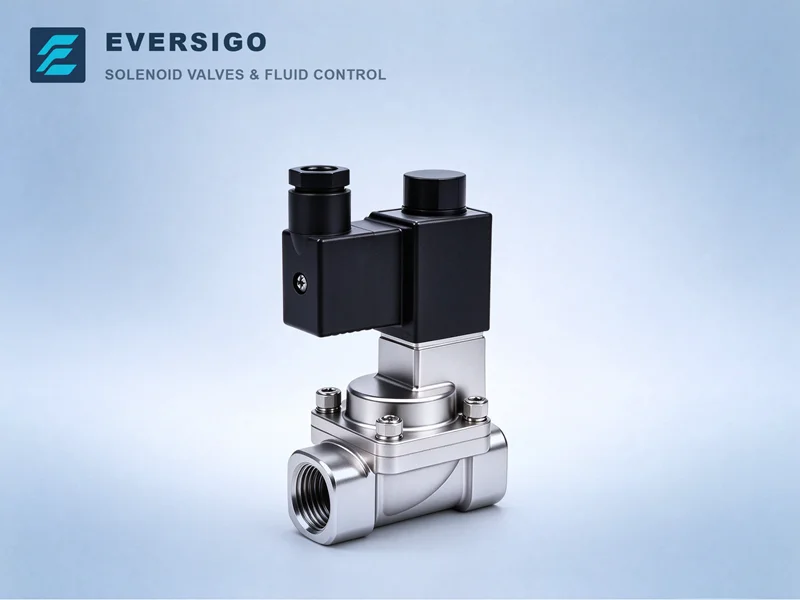
Industrial Solenoid Valves
Explore industrial solenoid valves for suitable on/off control functions, subject to the working medium, operating conditions, electrical specifications, and intended service.
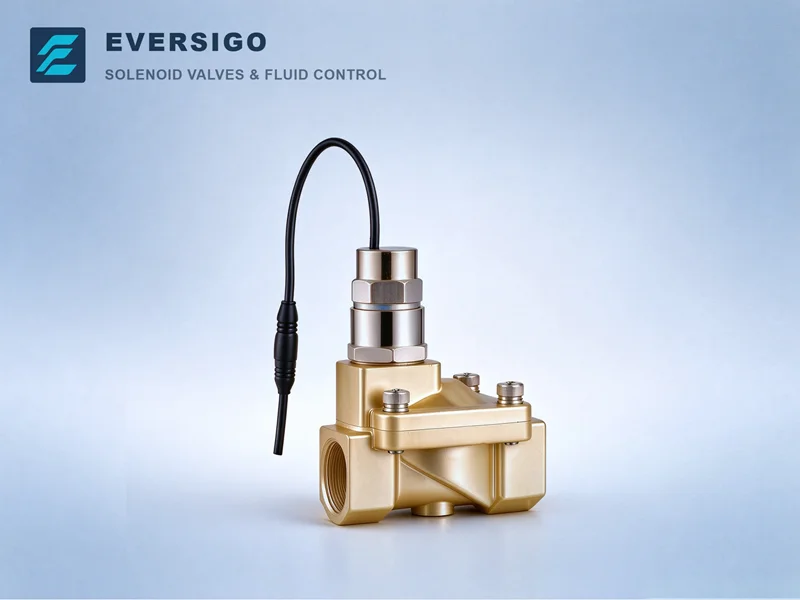
Special-Application Fluid Control
Discuss specific requirements involving particular interfaces, installation constraints, operating conditions, or component configurations, subject to review.
Discuss Your Application
Need Solenoid Valves or Vacuum Control Components?
Tell us about the handling task, vacuum source, required control functions, and known operating conditions. Existing valve references, circuit drawings, or information about the current arrangement can help clarify the request.
EVERSIGO welcomes inquiries about industrial solenoid valves and related pneumatic or vacuum control components for specific pick-and-place and material-handling applications. Product suitability and availability are reviewed against the specific project.
Clearly identify whether the valve will control compressed air to a vacuum generator or operate directly in a vacuum circuit. Release, blow-off, and assembly requirements must be reviewed against the intended system and documented product specifications.
Tell Us What You Need
Fields marked with * are required.