
Applications / Liquid Dosing & Dispensing
Solenoid Valves for Industrial Dosing & Dispensing Equipment
Industrial dosing and dispensing equipment may need to control liquid flow during filling, transfer, lubrication, or other process operations. Suitable solenoid valves can provide on/off flow control within compatible liquid circuits, while the complete equipment design determines how liquid delivery and any required dosing functions are achieved.
EVERSIGO offers a product range of industrial solenoid valves, liquid control components, and suitable valve assemblies for specific liquid handling applications. Product selection depends on the liquid, operating conditions, required control function, and equipment interfaces.
Whether you are developing new equipment, adapting an existing system, or requesting replacement components, provide your application requirements to discuss suitable product configurations.
Application Areas
Solenoid Valve Applications in Industrial Dosing, Dispensing and Filling
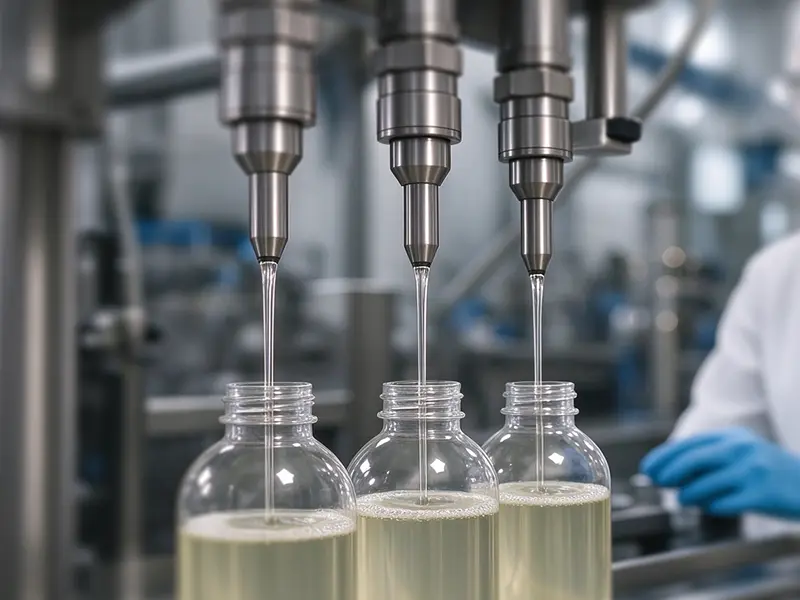
Industrial liquid handling covers different equipment and process requirements. Depending on the system design, suitable solenoid valves may control liquid supply, switch compatible flow paths, or form part of an automated filling or dispensing sequence. These examples illustrate specific applications, not a universal configuration for every system.
Industrial Liquid Filling Equipment
Filling machines may use solenoid valves to start or stop liquid flow as containers or process receptacles are filled. The delivered quantity may depend on additional metering, timing, sensing, or control elements. Selection depends on the liquid, filling method, operating conditions, and required control function.
Industrial Lubrication Systems
Some machines distribute lubricating liquids to specific points or components. Depending on the system design, a suitable solenoid valve may control the supply or routing of a compatible lubricant. Fluid properties, pressure, temperature, flow requirements, and connection details should be reviewed before selection.
Process Liquid Dosing and Dispensing
Industrial equipment may deliver process liquids in response to an operating sequence. A suitable solenoid valve may switch a compatible flow path, but on/off control is not the same as metering a defined quantity. Required volume, accuracy, or repeatability must be assessed against the complete system and documented product capabilities.
Multi-Outlet Liquid Distribution
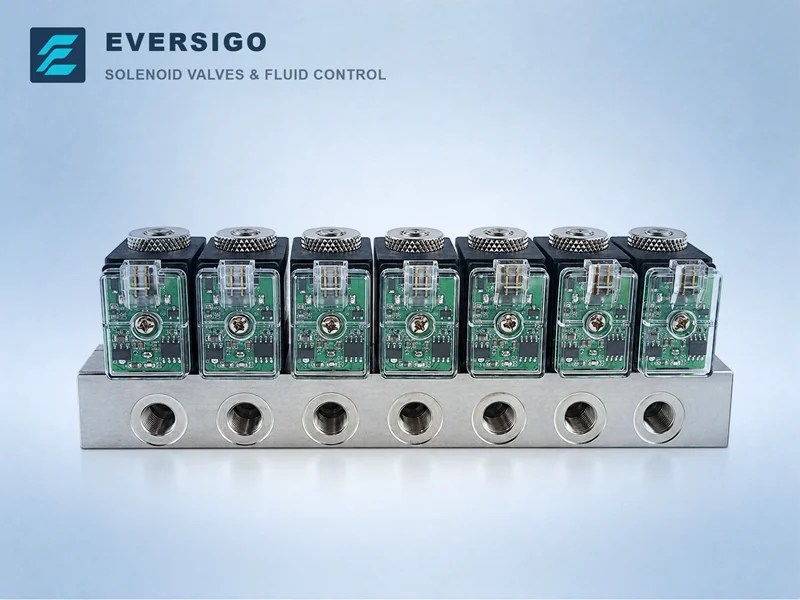
Some equipment distributes liquid between multiple outlets or process points. Suitable solenoid valves may control individual flow paths, while a compatible valve assembly or fluid distribution manifold may help organize several connections. The final arrangement depends on the liquid, flow paths, interfaces, and operating conditions.
Need to clarify whether your application requires on/off flow control, flow switching, or a defined dosing result? Review the control factors below or provide your equipment requirements directly.
Review Liquid Control RequirementsLiquid Control Requirements
Solenoid Valve Functions and Assembly Configurations for Liquid Handling
Start by defining what the equipment needs the valve to do. A suitable solenoid valve may switch a compatible liquid circuit; several flow paths may call for a valve assembly or distribution manifold. Requirements for metering quantity or repeatability should be evaluated separately from simple on/off control.
On/Off Liquid Flow Control
FLOW SWITCHINGA suitable solenoid valve may open or close a compatible liquid circuit as part of a filling, transfer, or dispensing sequence. Selection depends on the fluid, pressure, temperature, required flow, electrical specifications, connections, and duty requirements.
Flow-Path Switching
CIRCUIT ROUTINGWhere equipment must route liquid between tanks, outlets, or process branches, a compatible valve or valve arrangement may control individual flow paths. The circuit layout, required states, fluid properties, and connection interfaces should be confirmed for the actual equipment.
Dosing Versus Metering
FUNCTION DEFINITIONA solenoid valve can provide on/off flow control within its rated conditions, but it should not automatically be treated as a metering valve. If a defined quantity, flow rate, accuracy, or repeatability is required, review the proposed component together with the metering method, sensors, control logic, and complete system design.
Liquid and Material Compatibility
WETTED MATERIALSThe valve body, seals, and other wetted materials must suit the actual liquid and operating conditions. Provide fluid details and relevant temperature or pressure information where available. Specialized chemical compatibility should not be assumed without product-specific specifications or supporting evidence.
Assemblies and Distribution Manifolds
MULTIPLE OUTLETSWhere several control functions or connections need to be arranged together, a compatible valve assembly or fluid distribution manifold may be considered. Configuration depends on the required flow paths, installation space, interfaces, component compatibility, and suitable product configurations.
If a standard arrangement does not match your equipment, provide a flow-path sketch, existing valve reference, or description of the required connections. A custom valve assembly may be discussed where the components, interfaces, and configuration can be confirmed.
Discuss a Valve AssemblyApplication Considerations
What to Confirm Before Selecting a Liquid Control Valve
The same valve is not necessarily suitable for every liquid or process. Clarifying the medium, working conditions, required result, and installation interfaces provides a useful starting point for reviewing suitable product configurations.
Liquid Properties
Identify the liquid and provide known information about viscosity, concentration, suspended particles, or other properties that may affect operation. A product name, composition, or safety data sheet can help clarify material compatibility where available.
Operating Conditions
Pressure, temperature, required flow, and duty cycle can affect component suitability. Provide the known operating range and any process conditions that matter. Product selection should be checked against the actual application rather than a general product description.
Required Dispensing Result
Clarify whether the equipment needs simple on/off flow control, switching between outlets, or a defined dosing volume or repeatability target. Precision metering and dispensing performance require separate review of documented component capabilities and the complete system.
Connections and Integration
Connection type and size, electrical specifications, mounting space, tubing routes, and available service access can affect the configuration. Existing model references, equipment drawings, photos, or a flow-path sketch can help define the interfaces.
A standard on/off solenoid valve should not be assumed to provide precision metering, high repeatability, or specialized chemical compatibility without product-specific evidence. Please identify any performance targets and fluid requirements when making an inquiry.
Provide Your RequirementsPrepare an Inquiry
What Information Helps Us Review Your Liquid Handling Application?
You do not need every specification finalized before contacting us. Start with the equipment, liquid, intended function, and information available; additional details can be discussed as requirements become clearer.
Equipment and Process
Describe the machine and intended function, such as filling a container, supplying liquid to a process, distributing lubricant, switching flow paths, or delivering liquid at defined intervals.
Liquid and Operating Conditions
Identify the liquid and provide known pressure, temperature, flow, viscosity, concentration, or other relevant conditions. Include product or composition information where available.
Existing Components or Drawings
If available, provide valve model numbers, product photos, datasheets, equipment drawings, connection details, or a diagram showing the required liquid flow paths.
Function, Quantity and Project Stage
Explain whether the requirement is on/off control, flow switching, or a defined dosing result. Provide the estimated quantity and whether the project is a new design, an existing machine, or a replacement request.
If some specifications are not yet available, describe the liquid, equipment, and main control function first. Existing model numbers, photos, or drawings can help, but they are not essential for an initial inquiry.
Request a QuoteFrequently Asked Questions
Solenoid Valves for Liquid Dosing & Dispensing — FAQs
Liquid properties, operating conditions, and the required result all affect component selection. These answers outline useful starting points for discussing an application.
Ask About Your ApplicationWhat components may be used in industrial liquid dosing equipment?
Depending on the process, relevant components may include liquid-compatible solenoid valves, suitable valve assemblies, and fluid distribution manifolds. Solenoid valves may control on/off flow through compatible circuits. A defined dosing quantity or accuracy may also depend on metering, sensing, and control elements in the complete system.
Can solenoid valves be used in industrial filling equipment?
Suitable solenoid valves may start or stop liquid flow as part of an industrial filling process. The required product depends on the liquid, operating conditions, filling method, and equipment design. A specified filling quantity or repeatability should be evaluated separately against the performance of the complete system.
What is the difference between a liquid control valve and a dosing valve?
A liquid control valve may open or close a flow path. A dosing application may require additional control over the quantity or rate of liquid delivered. These functions are not interchangeable; the required result should be defined before deciding whether an on/off solenoid valve or a more specialized arrangement is appropriate.
Can you discuss a custom liquid valve manifold for dosing equipment?
A suitable arrangement may be considered where the required components, connections, operating conditions, and interfaces can be confirmed. Provide a drawing or description of the flow paths, the liquid, and the intended function. Feasibility and final configuration depend on the specific project and suitable product configurations.
Can your valves be used for non-hazardous industrial process liquids?
Suitable solenoid valves may be considered for compatible non-hazardous process liquids, depending on fluid properties, operating conditions, required function, and available product specifications. The actual working medium and service conditions should be confirmed before a specific valve is selected.
Can you provide precision or high-repeatability dosing valves?
Precision and repeatability requirements must be reviewed against documented product specifications and the complete system design. Please provide the target volume or accuracy, operating conditions, and any available technical criteria so that suitability can be assessed before a specific capability is confirmed.
Can one valve assembly be used for every liquid?
Different liquids and operating conditions can require different wetted materials, seals, and product specifications. Compatibility should be confirmed for the actual fluid, temperature, pressure, required function, and equipment interfaces before a component or assembly is selected.
What information should I provide when requesting a quote?
Start with the equipment type, liquid, intended control function, estimated quantity, and any available product references or drawings. If the application requires a defined dosing result, include the target volume, flow, accuracy, or repeatability requirement where known. A preliminary description is useful even if the final configuration is not yet decided.
Related Categories
Explore Related Fluid Control Products
Explore product categories relevant to liquid on/off control, dispensing equipment, and specific component configurations. Product suitability depends on the actual fluid, process requirements, and available product specifications.
Liquid Control & Dispensing
Explore liquid control products and suitable components for industrial liquid handling, on/off flow control, and dispensing equipment, subject to the process and available specifications.
Industrial Solenoid Valves
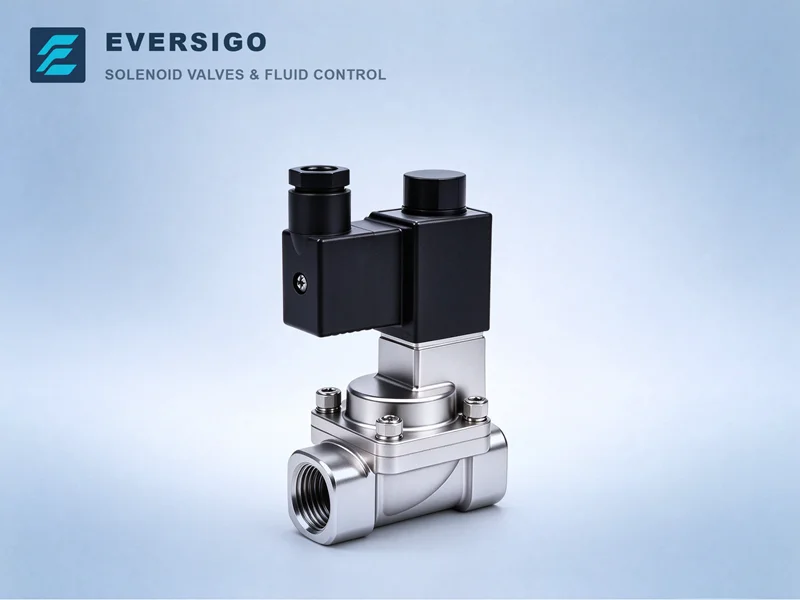
Explore solenoid valves for suitable on/off liquid control applications where the working medium, operating conditions, and required function are compatible.
Special-Application Fluid Control
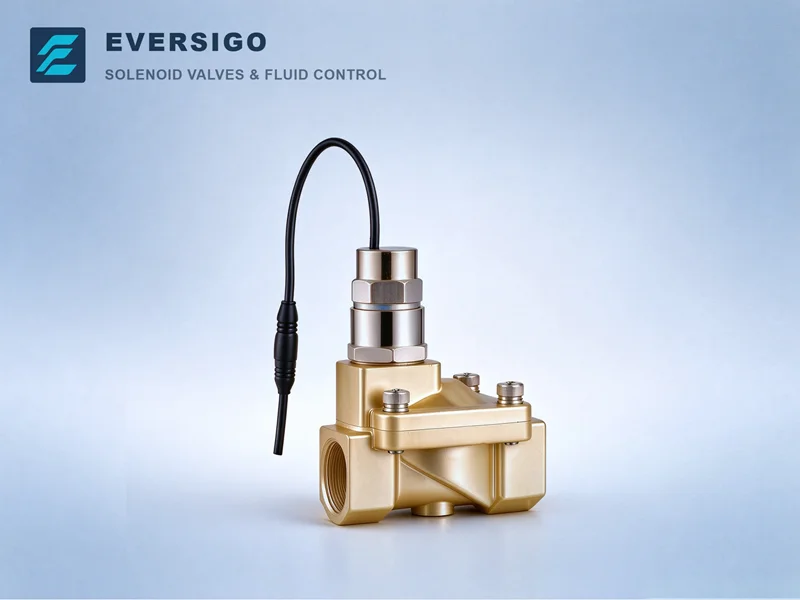
Discuss specific requirements involving particular materials, interfaces, operating conditions, or component configurations. Application suitability must be confirmed.
Request a Quote
Need Solenoid Valves for Your Liquid Handling Equipment?
Tell us about your liquid handling process, the fluid being used, and the control functions you need. Existing valve references, drawings, or operating requirements can help us understand the application.
EVERSIGO welcomes inquiries about industrial solenoid valves, liquid control components, and suitable valve assemblies for industrial filling, dispensing-related, and liquid distribution equipment.
Provide any known fluid compatibility, temperature, pressure, or dosing requirements so that component suitability can be reviewed for the intended application. Complete specifications are not essential for an initial inquiry.
Tell Us What You Need
Fields marked with * are required.