
Applications / Assembly & Test
Solenoid Valves for Industrial Assembly & Test Equipment
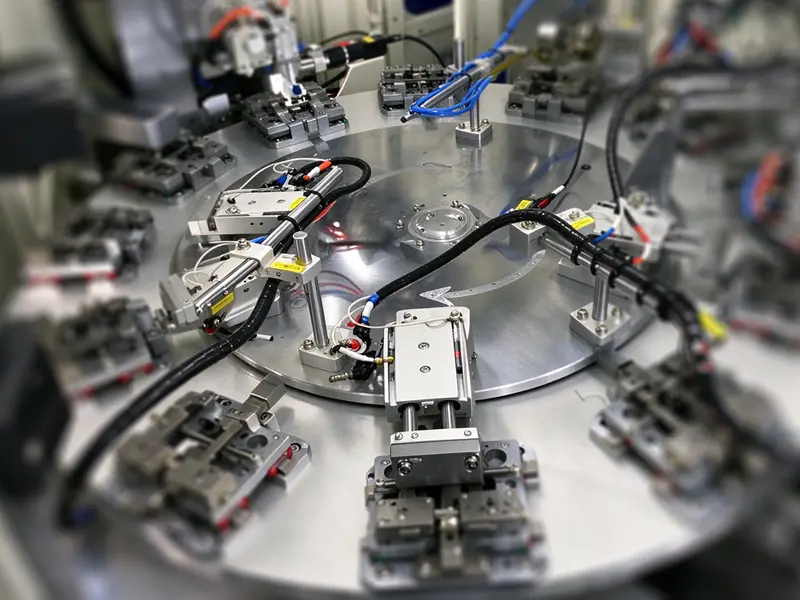
Automated assembly machines and industrial test fixtures may use pneumatic actuators, vacuum workholding, and other controlled functions to position, hold, move, or release components during a production process.
Industrial solenoid valves can provide on/off control for suitable pneumatic functions, including operating cylinders, clamps, stops, and other mechanisms. Depending on the equipment design, related components may also be needed for vacuum handling or auxiliary control functions.
EVERSIGO offers a product range of industrial solenoid valves, pneumatic and vacuum control components, and suitable valve assemblies for industrial assembly and test equipment. Product selection depends on the required functions, operating conditions, equipment interfaces, and suitable product configurations.
Application Areas
Solenoid Valve Applications in Assembly and Automated Fixtures
Industrial assembly equipment varies by process, workpiece, and machine design. Some systems primarily use pneumatic solenoid valves to operate actuators and positioning mechanisms, while others combine pneumatic control with vacuum workholding or several functions within a compact fixture.
Automated Assembly Machines
Assembly machines may use pneumatic actuators to move components, operate mechanisms, and coordinate individual steps in a production sequence. Suitable solenoid valves can switch the compressed-air supply to these actuators. A compatible valve manifold or compact control assembly may be considered where several functions share an installation area.
Workpiece Clamping and Positioning
Assembly fixtures may use pneumatic cylinders or clamping mechanisms to secure, position, or release a workpiece. Solenoid valves can control suitable actuators as part of the fixture's control arrangement. Selection depends on the actuator, required function, operating conditions, electrical specifications, and machine interfaces.
Vacuum Handling and Automated Fixtures
Some assembly systems use vacuum gripping to pick up, transfer, or hold workpieces. Depending on the system architecture, suitable solenoid valves may control a compressed-air supply to a vacuum generator, switch a compatible vacuum circuit, or support a release function.
End-of-Line Functional Test Fixtures
Industrial test stations may use pneumatic actuators to secure a workpiece, operate a fixture, or move components during a test sequence. Solenoid valves may control these fixture movements or other suitable pneumatic functions. Measurement and test performance must be assessed separately against the actual test method and system requirements.
Control Requirements
Pneumatic Control and Valve Manifold Configurations for Assembly Equipment
Before identifying suitable components, consider what the machine needs to actuate, hold, move, or release. Individual solenoid valves may control suitable pneumatic functions; where several functions need to fit within a defined space, a compatible manifold or compact control assembly may also be considered. Vacuum-generator supply control and direct vacuum-circuit switching are different functions and should be assessed against the actual system architecture.
Pneumatic Actuation
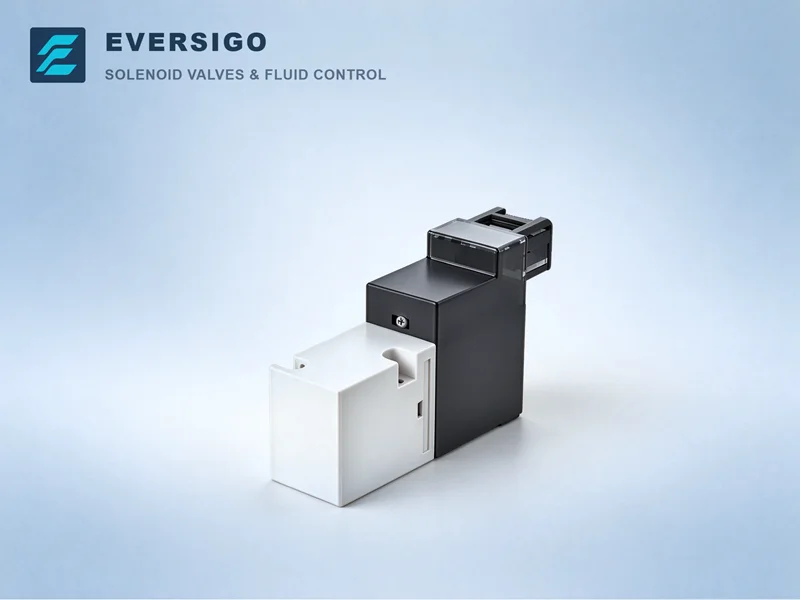
ACTUATOR CONTROLCompressed air may operate cylinders, clamps, stops, positioning mechanisms, and other machine functions. Solenoid valve selection depends on the required valve function, operating pressure, electrical specifications, connections, duty requirements, and installation conditions.
Clamping and Positioning
WORKPIECE FIXTURESFixtures may need controlled movements to secure or position a workpiece during assembly, handling, or inspection. Existing machine drawings, actuator information, or a description of the required sequence can help clarify the control requirements.
Vacuum Workholding
VACUUM CONTROLWhere vacuum is used to hold a workpiece, suitable valves may control a vacuum generator's compressed-air supply or switch a compatible vacuum circuit. The arrangement depends on the vacuum source, gripping method, system layout, and intended release sequence.
Manifolds and Compact Assemblies
MULTIPLE FUNCTIONSA compatible pneumatic valve manifold or compact control assembly may be considered when several control functions need to fit within a shared installation area. Configuration depends on the required functions, mounting arrangement, pneumatic connections, electrical interfaces, and suitable product configurations.
Auxiliary Functions in Test Fixtures
APPLICATION REVIEWValves may operate fixture actuators or other suitable auxiliary functions, but this does not establish suitability for pressure measurement, leak-rate evaluation, pressure decay, or measurement accuracy. Components used in performance-critical test systems require review against the actual test method and supporting technical evidence.
For test fixtures, distinguish between the valve's role in operating the fixture and the performance requirements of the complete test system. Pressure-retention, leak-rate, pressure-decay, and measurement requirements remain conditional until suitability is confirmed with relevant product-specific technical evidence.
Discuss Your RequirementsPrepare an Inquiry
What Information Helps Us Select Suitable Solenoid Valves?
You can start an inquiry before every technical detail has been finalized. A short description of the equipment, the required control functions, and any available product information provides a useful starting point.
Equipment and Process
Describe the machine or fixture and the function to control, such as clamping, positioning, vacuum handling, pneumatic actuation, or component release.
Existing Components or Drawings
If available, provide solenoid valve model numbers, product photos, datasheets, machine drawings, or a pneumatic or vacuum schematic.
Operating and Interface Requirements
Include known working pressure, electrical specifications, connections, mounting space, operating cycle, and relevant vacuum conditions where applicable.
Quantity and Project Stage
Let us know the estimated quantity and whether the request concerns a new machine, an existing production line, or replacement components. For test applications, describe the intended test function and any specific system requirements.
Frequently Asked Questions
Solenoid Valves for Assembly & Test — FAQs
Component configurations depend on the required control function, operating conditions, and machine interfaces. These answers outline useful starting points for discussing an application.
Ask About Your ApplicationWhat components may be used in industrial assembly equipment?
Depending on the machine design, applications may involve pneumatic solenoid valves, valve manifolds, vacuum control components, and suitable control assemblies. The required products depend on the intended functions, operating conditions, and equipment interfaces.
Can you provide a pneumatic valve manifold for an assembly machine?
A suitable solenoid valve manifold or compact assembly may be considered based on the required functions and suitable product configurations. Drawings, a pneumatic schematic, existing component references, or a description of the operating sequence can help clarify the request. Compatibility and final configuration must be confirmed for the specific application.
Can solenoid valves control workpiece clamping and positioning?
Suitable pneumatic solenoid valves may control the air supply to cylinders and other pneumatic actuators used in clamping or positioning fixtures. The appropriate valve depends on the actuator, required control function, operating conditions, electrical requirements, and fixture design.
Can vacuum control components be used in automated assembly fixtures?
Vacuum control components may be suitable for fixtures that use vacuum to grip, hold, or transfer workpieces. Depending on the system architecture, a suitable solenoid valve may control the compressed-air supply to a vacuum generator or switch a compatible vacuum circuit. The arrangement depends on the handling method and equipment requirements.
Can a standard solenoid valve be used for leak or pressure-decay testing?
A valve that operates a fixture is not necessarily suitable for the measurement or test function itself. Where a test depends on pressure retention, leak rate, pressure decay, or measurement accuracy, component suitability must be reviewed against the specific test method and supported by appropriate technical evidence.
Can you discuss a custom pneumatic control assembly?
Yes. Provide the equipment type, required control functions, available drawings, existing component references, mounting and connection requirements, and estimated quantity. Feasibility, compatibility, and the final configuration need to be reviewed for the specific application.
What information should I provide when requesting a quote?
Start with the equipment or process, the functions you need to control, estimated quantity, and any available valve references or drawings. A brief description is useful even when the final component configuration has not yet been determined.
Related Categories
Explore Related Fluid Control Products
Explore related product categories for pneumatic actuation, vacuum handling, and specific control arrangements. Product suitability and configuration depend on the application and confirmed product capabilities.
Pneumatic & Vacuum Control
Explore pneumatic and vacuum control components for actuator operation, workpiece handling, vacuum switching, and specific release functions in industrial equipment.
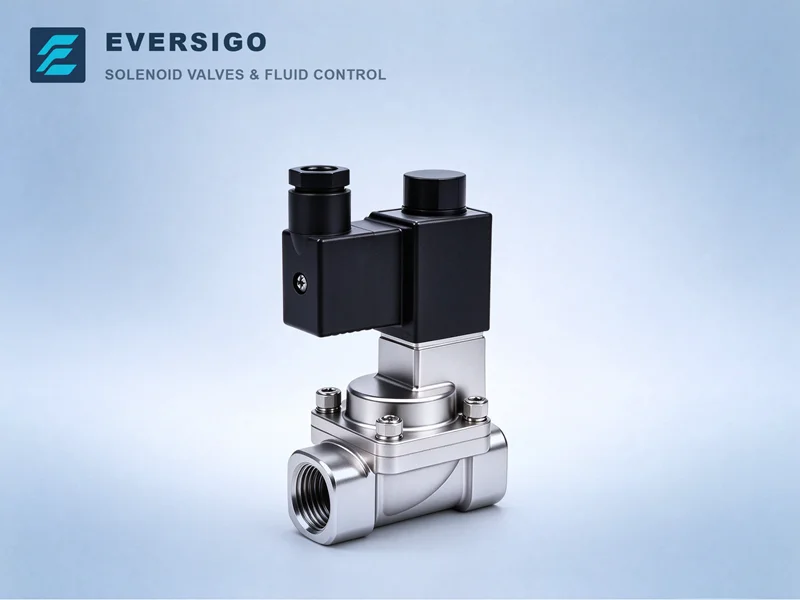
Industrial Solenoid Valves
Explore industrial solenoid valves for suitable on/off control functions in assembly machines, fixtures, and other industrial equipment.
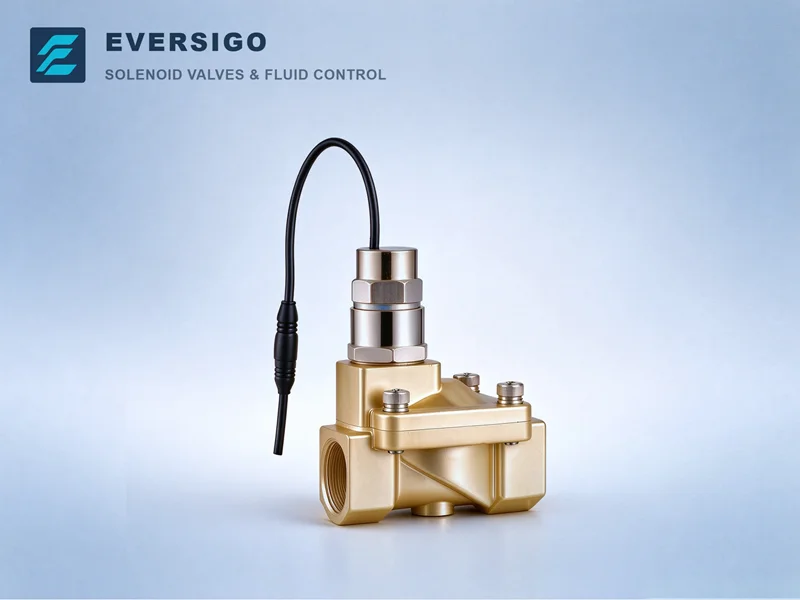
Special-Application Fluid Control
Discuss specific requirements involving particular materials, interfaces, operating conditions, or component configurations. Application suitability must be reviewed.
Request a Quote
Need Solenoid Valves for Your Assembly or Test Equipment?
Tell us about your machine, fixture, or process and the control functions you need. Existing solenoid valve references, drawings, or a description of the operating sequence can help us understand the application.
EVERSIGO welcomes inquiries about industrial solenoid valves, pneumatic and vacuum control components, valve manifolds, and suitable control assemblies for industrial equipment.
For test applications, include any specific operating or system requirements so that component suitability can be reviewed against the intended function. Complete specifications are not essential for an initial inquiry.
Tell Us What You Need
Fields marked with * are required.