
Applications / Specialized Equipment Applications
Solenoid Valves for Medical Ventilator Equipment
Medical ventilator equipment incorporates controlled gas paths and pneumatic functions within a defined system architecture. Solenoid valves used in these applications must match the required gas service, pressure and flow conditions, switching behavior, and equipment interfaces.
EVERSIGO has experience with solenoid valve components for medical ventilator equipment applications. This application experience reflects our work with specific valve configurations used within ventilator equipment designs.
Valve function, gas compatibility, materials, response characteristics, leakage requirements, and electrical interfaces are reviewed against the specific component position and equipment requirements. Final component qualification and system verification remain part of the ventilator manufacturer's design and approval process.
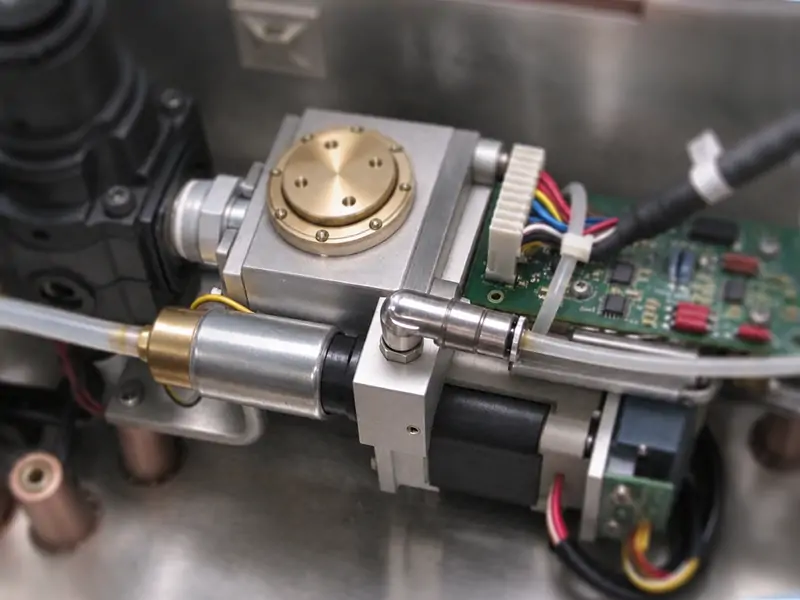
Application Areas
Solenoid Valve Functions in Medical Ventilator Equipment
Ventilator platforms differ in gas-path architecture and component requirements. The examples below describe specific equipment functions related to EVERSIGO's experience with these applications; they do not imply that one valve design is suitable for every ventilator model or every position in a breathing system.
Air and Oxygen Gas Control
Medical ventilator equipment uses controlled gas paths as part of its operating design. EVERSIGO has experience with solenoid valve components for medical ventilator equipment applications. Configurations for air or oxygen-related paths must be assessed against the specified gas, pressure range, materials, connection details, and the ventilator manufacturer's requirements.
Inspiratory Gas Path Switching
Solenoid valves may be incorporated into defined gas-routing and switching functions within a ventilator design. The required port arrangement, flow direction, response characteristics, pressure conditions, and operating cycle need to be considered together. The specific role of each valve is determined by the equipment architecture and approved component specification.
Auxiliary Pneumatic Functions
Ventilator equipment may contain auxiliary pneumatic circuits for internal control and actuation functions. A suitable solenoid valve can be considered where its rated pressure, flow capacity, electrical interface, and response characteristics match the intended function. The component's position and role within the equipment should be defined by the system design.
Compact Valve Configurations
Space, mounting, wiring, and service requirements can influence the valve configuration used in medical equipment. Individual valves or specific assemblies may be considered according to the number of controlled paths and available interfaces. Dimensions, connections, materials, and equipment-level verification requirements should be reviewed before a configuration is finalized.
Ventilator Valve Requirements
Technical Factors for Medical Ventilator Solenoid Valves
Component selection must reflect the valve's specific position and function within the equipment. Gas compatibility, pressure and flow, response, leakage, connection details, and equipment qualification requirements should be reviewed together.
Gas Compatibility and Materials
GAS SERVICEThe specified gas and intended location within the ventilator system are important starting points. Valve body materials, internal components, seals, and other wetted materials should be evaluated against the actual gas exposure and equipment requirements rather than assumed suitable from a general product category.
Pressure and Flow Characteristics
OPERATING RANGESupply pressure, differential pressure, required flow, and the valve's operating range affect component selection. The required flow characteristics and pressure conditions should be compared with documented product specifications and the ventilator manufacturer's system requirements.
Response and Operating Cycle
SWITCHING PERFORMANCEThe required switching response, frequency, energized duty, and expected service cycle should be established for the intended function. These parameters should be checked against the relevant product data and the equipment-level operating profile.
Leakage and Connection Details
INTERFACESInternal leakage expectations, port configuration, connection dimensions, electrical connector, coil voltage, and mounting arrangement can affect integration. Drawings, existing valve references, and interface specifications help identify the exact configuration under review.
Equipment Qualification and Integration
SYSTEM DESIGNA component used in medical ventilator equipment forms part of a larger system and must be assessed in its intended role. Product documentation, material information, traceability, testing, and equipment-level verification requirements should be defined by the ventilator manufacturer for the applicable design and market.
A valve intended for ventilator equipment should not be assumed suitable for every gas path or patient-contact application. Its intended function, material requirements, documentation, and verification scope must be established for the specific equipment design by the ventilator equipment manufacturer.
Discuss Equipment RequirementsPrepare an Inquiry
Information for Medical Ventilator Valve Review
Equipment details and an existing valve reference are useful starting points. Where available, include the intended valve function, gas specification, operating range, and any component documentation requirements defined by your engineering team.
Ventilator Model and Valve Function
Identify the ventilator equipment or platform and describe the valve's intended role, such as gas inlet control, gas-path switching, or an auxiliary pneumatic function.
Gas and Operating Conditions
Specify the gas, pressure range, flow requirement, temperature, switching frequency, and any known leakage or service-life requirements relevant to the valve position.
Product and Interface References
Provide an existing model number, datasheet, drawing, photograph, electrical specification, or connection detail. These references can help clarify dimensions and the required interface configuration.
Documentation and Project Context
Indicate whether the request concerns an established equipment platform, a design update, replacement, or an ongoing production program. List any component documentation or verification requirements already defined by your engineering team.
Related Categories
Explore Related Fluid Control Components
Explore valve categories and equipment-oriented fluid control components that may be relevant to defined pneumatic and gas-control functions, subject to application-specific review.
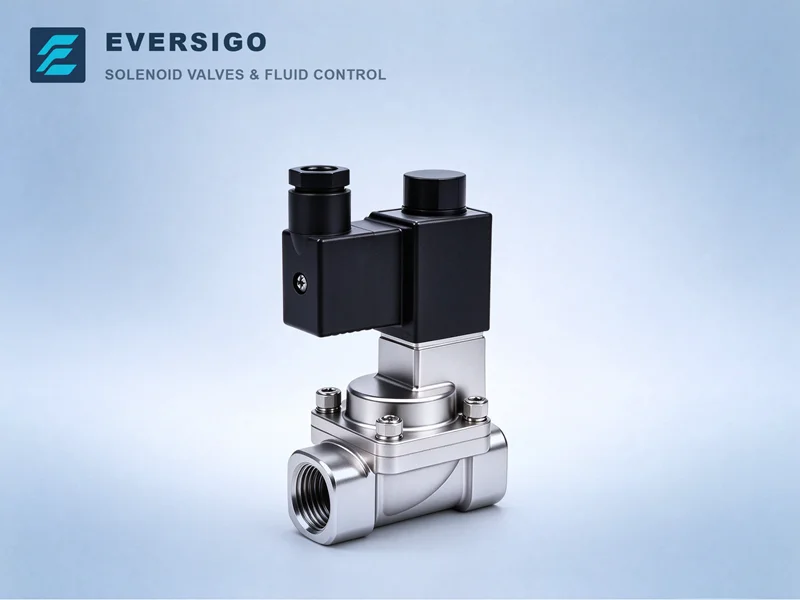
Industrial Solenoid Valves
Explore solenoid valve configurations for defined on/off switching functions and equipment integration requirements.
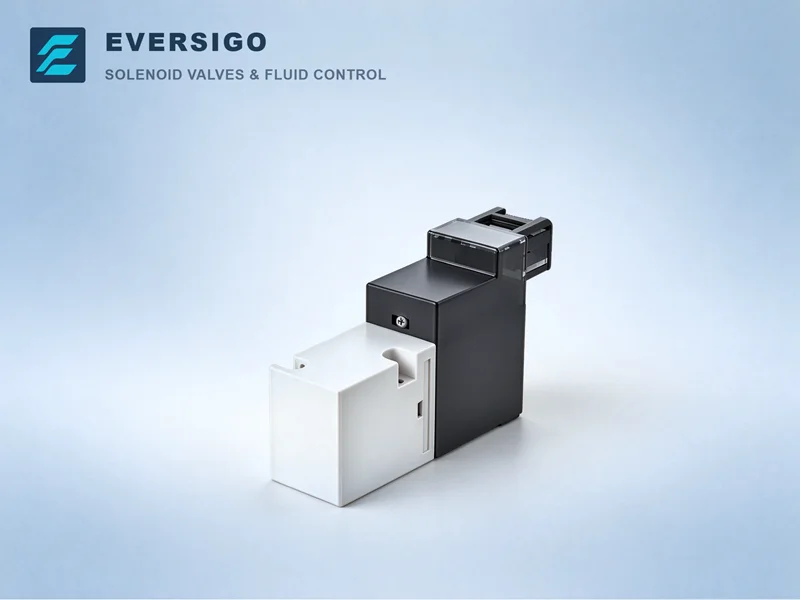
Pneumatic & Vacuum Control
Review pneumatic switching components and specific control arrangements for industrial equipment integration.
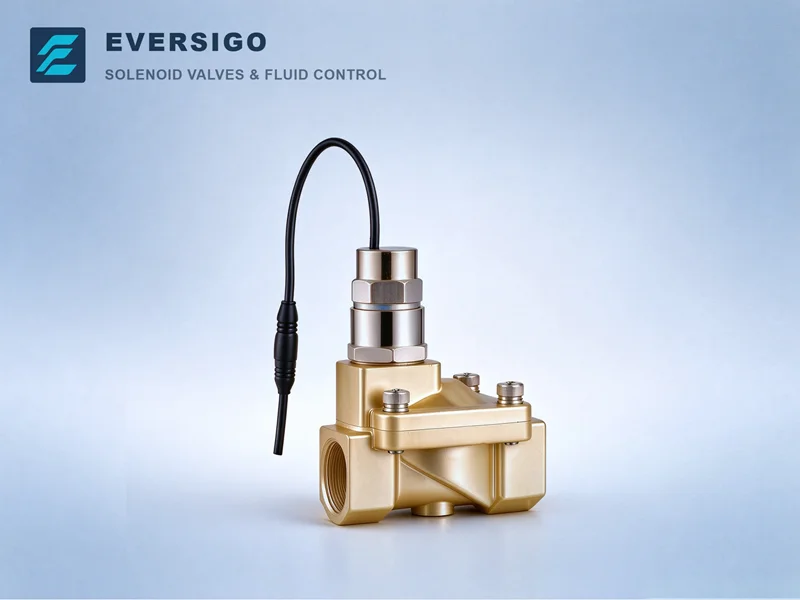
Special-Application Fluid Control
Discuss specific requirements involving component materials, dimensions, operating conditions, and interfaces.
Discuss Your Equipment Requirements
Solenoid Valve Components for Ventilator Equipment
Provide the ventilator model or equipment platform, intended valve function, gas specification, and known operating conditions. Existing component references, datasheets, or interface drawings can help clarify the requirements.
EVERSIGO has experience with solenoid valve components for medical ventilator equipment applications. Product configuration and documentation requirements are reviewed in the context of the specified equipment design.
Please identify the valve's intended position and function within the equipment. Suitability for a particular breathing-system or patient-contact application must be established through the responsible manufacturer's component and system qualification process.
Provide Your Application Details
Fields marked with * are required.