
Applications / Adhesive Dispensing
Solenoid Valve Control for Industrial Adhesive Dispensing
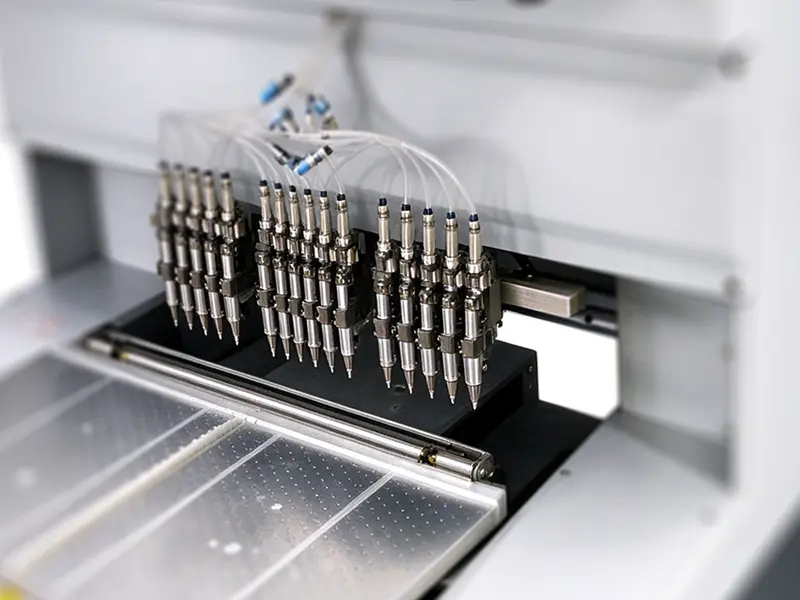
Industrial adhesive dispensing equipment may require controlled material delivery, flow shutoff, and coordinated operation with other machine functions. Depending on the system design, suitable solenoid valves may provide compatible on/off control or operate associated pneumatic mechanisms.
EVERSIGO offers a product range of industrial solenoid valves and related fluid control components for specific equipment applications. Where a valve directly controls adhesive flow, suitability depends on the adhesive, operating temperature, material compatibility, and required dispensing function.
For packaging, carton sealing, or another industrial adhesive process, provide the equipment requirements to discuss suitable product configurations and availability.
Application Areas
Solenoid Valve Applications in Industrial Adhesive Dispensing
Adhesive systems differ by material, application method, operating conditions, and machine design. The examples below show where suitable dispensing or control components may be relevant; they do not imply that every valve is suitable for every adhesive.
Packaging and Carton Sealing
Packaging equipment may apply adhesive during carton forming, closing, or sealing. Depending on the machine design, a suitable dispensing valve may control adhesive flow, while solenoid valves may operate compatible pneumatic functions elsewhere in the machine.
Industrial Adhesive Applicators
Industrial applicators deliver adhesive to specific locations during assembly or manufacturing. The required component depends on whether the valve directly contacts and shuts off the adhesive or operates an associated pneumatic mechanism.
Automated Adhesive Dispensing
Automated systems coordinate adhesive delivery with product movement, positioning, or other machine functions. Cycle frequency, dispensing method, required shutoff behavior, and equipment interfaces should be assessed together.
Hot Melt and Specialized Adhesives
Hot melt applications can involve elevated temperatures, material-specific compatibility, and repeated operation. A standard industrial solenoid valve should not be assumed suitable for direct hot melt service; product availability and specifications require specific verification.
Control Requirements
Valve Functions and Selection Factors for Adhesive Dispensing
Start by defining what the component needs to do and the conditions it must handle. Direct adhesive-flow control, auxiliary pneumatic control, and specialized hot melt service are different requirements and should not be treated as interchangeable.
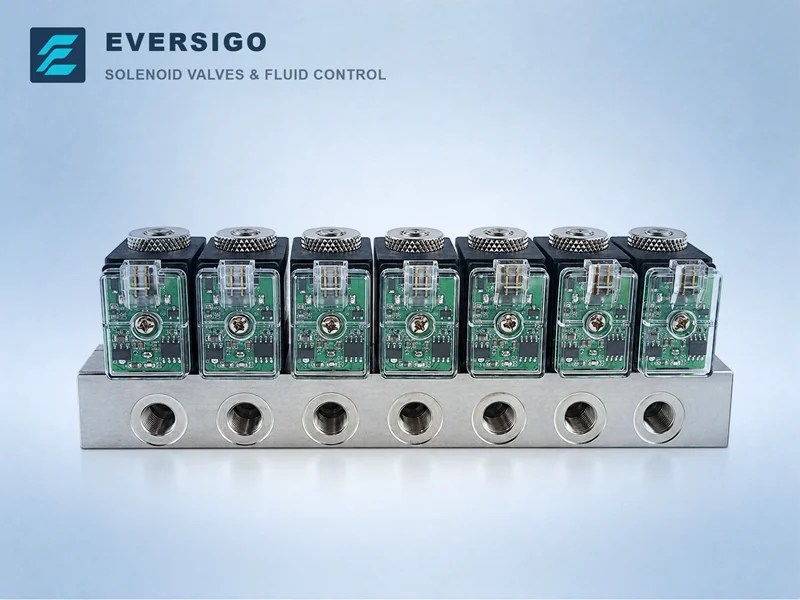
Direct Adhesive Flow and Shutoff
MATERIAL CONTACTWhere a valve directly starts or stops adhesive flow, its wetted materials, seals, flow characteristics, and shutoff function must suit the specific adhesive and process. A general-purpose solenoid valve should not automatically be treated as an adhesive dispensing valve.
Associated Pneumatic Control
AUXILIARY FUNCTIONSome systems use solenoid valves to operate compatible pneumatic actuators or other mechanisms associated with dispensing. This is different from directly controlling the adhesive itself, so the required function should be stated clearly.
Adhesive and Material Compatibility
WETTED MATERIALSAdhesives vary in viscosity, composition, and material compatibility. Identify the adhesive or provide relevant technical information where available so the wetted materials and sealing arrangement can be reviewed for the intended conditions.
Temperature, Pressure, and Cycle Requirements
OPERATING LIMITSProvide the known operating temperature, pressure conditions, and cycle or frequency requirements. Hot melt, elevated-temperature, and high-cycle applications need product-specific verification against documented operating limits before suitability can be confirmed.
Machine Integration and Assemblies
INTERFACESMounting, connections, electrical interfaces, available space, and coordination with other machine functions affect the final arrangement. A valve assembly may be considered when compatible components and the required interfaces can be confirmed.
If your application involves hot melt adhesive, elevated temperature, or a defined high-frequency duty, include those requirements in your inquiry. Availability and suitability must be confirmed against the specifications of the proposed product.
Discuss Your RequirementsPrepare an Inquiry
What to Provide About Your Adhesive Dispensing Equipment
You do not need every specification finalized before getting in touch. Start with the application and the information already available; any specific product capability will be reviewed before it is confirmed.
Equipment and Required Function
Describe the machine and process, such as carton sealing or an industrial adhesive applicator. Clarify whether the required component controls adhesive flow directly or operates an associated pneumatic mechanism.
Adhesive and Operating Conditions
Identify the adhesive and provide known temperature, pressure, viscosity, cycle, or duty requirements. A product datasheet or safety data sheet may help clarify material and compatibility needs.
Existing Components and Interfaces
Where available, provide a valve model, product photograph, datasheet, equipment drawing, connection details, or a description of the required control arrangement.
Quantity and Project Stage
Provide the estimated quantity and whether this is a new-machine project, an existing design, a replacement request, or an ongoing production requirement. Replacement compatibility must be checked before confirmation.
Frequently Asked Questions
Solenoid Valves for Adhesive Dispensing — FAQs
Product suitability depends on the adhesive, the required function, and the documented operating limits. These answers outline useful points to clarify before selection.
Ask About Your ApplicationWhat should I consider when selecting a valve for adhesive dispensing?
Start with the adhesive, required control function, operating temperature and pressure, cycle requirements, and equipment interfaces. It is important to distinguish a valve that directly controls adhesive flow from a solenoid valve that operates an associated machine function. Product suitability must be checked against documented specifications.
Can a standard solenoid valve be used for direct adhesive control?
Not automatically. The adhesive, wetted materials, seals, viscosity, operating conditions, and required shutoff function all affect suitability. A general-purpose solenoid valve should not be assumed suitable for direct adhesive contact without a product-specific review.
Can you provide a hot melt adhesive dispensing valve?
Hot melt service requires review of the actual adhesive, operating temperature, pressure, duty requirements, material compatibility, and documented product specifications. Provide the application details so product availability and suitability can be checked before a specific valve is proposed.
What can affect adhesive stringing after shutoff?
Stringing may be affected by adhesive properties, material temperature, nozzle and dispensing setup, shutoff arrangement, and overall process conditions. A valve change alone should not be assumed to resolve the issue; the complete application and required result need to be reviewed.
Can you provide a high-cycle adhesive dispensing valve?
Cycle-frequency and service-life capabilities depend on the specific product and its documented operating characteristics. Include the required frequency or duty information in your inquiry. Any high-cycle claim must be confirmed against relevant product documentation before it is made.
Can you help identify a replacement for an existing dispensing valve?
Provide the installed model number, photos, datasheet, or other identifying information where available. Compatibility and interchangeability must be checked; a product reference or brand name alone does not establish an official replacement relationship or authorization.
What information should I include in a quote request?
Start with the equipment type, adhesive, required control function, known operating conditions, estimated quantity, and any existing product references or drawings. If some specifications are not yet available, a basic description of the process is still a useful starting point.
Related Categories
Explore Related Fluid Control Products
Explore adjacent product categories for compatible on/off control, pneumatic functions, or specific component configurations. Actual suitability and availability depend on the application.
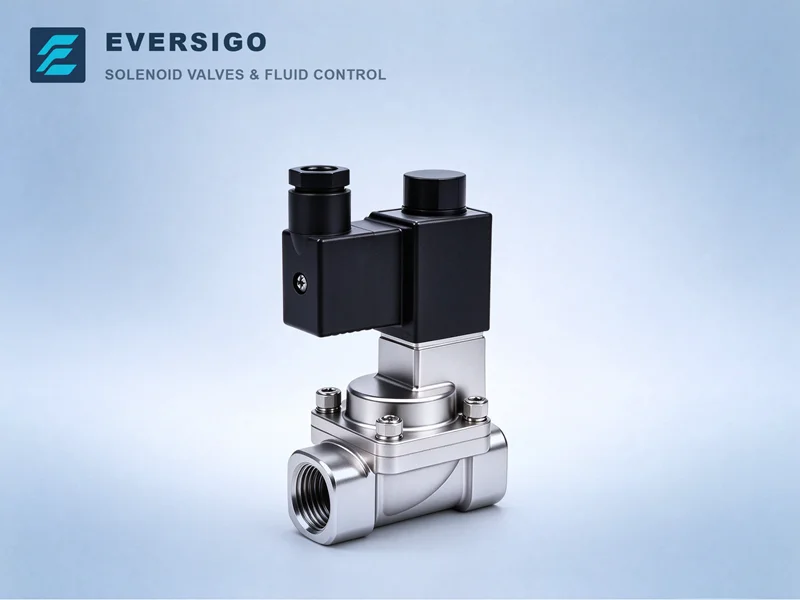
Industrial Solenoid Valves
Explore industrial solenoid valves for suitable on/off control and compatible auxiliary machine functions.
Liquid Control & Dispensing
Explore liquid control components and specific configurations where the material, dispensing method, and operating conditions are compatible.
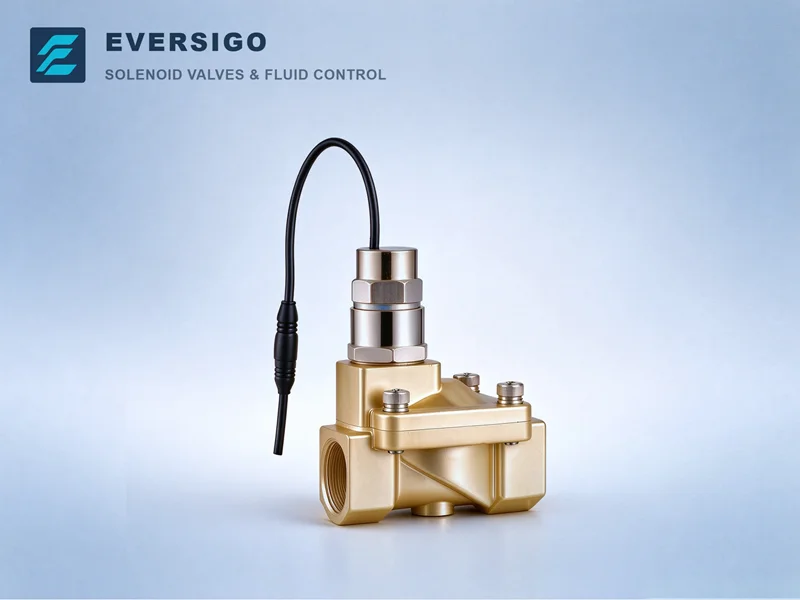
Special-Application Fluid Control
Discuss particular requirements involving specific materials, operating conditions, interfaces, or component configurations.
Discuss Your Application
Need Control Components for Adhesive Dispensing Equipment?
Tell us about the equipment, adhesive, intended control function, and known operating conditions. Existing product references, drawings, or specifications can help clarify the request.
EVERSIGO welcomes inquiries about solenoid valves and related control components for specific industrial adhesive dispensing applications. Specialized hot melt, temperature, direct-contact, and high-frequency requirements need product-specific review.
You can begin with the information available. Product availability, compatibility, operating limits, and any replacement relationship must be confirmed before a specific solution is offered.
Tell Us What You Need
Fields marked with * are required.